72 hr
Private Borneo Orangutan River Cruise
- Private experience
- Personal attention
- Premium amenities
- Free cancellation
Tanjung Puting National Park Orangutan Tour — Klotok Cruises & Speedboat Runs
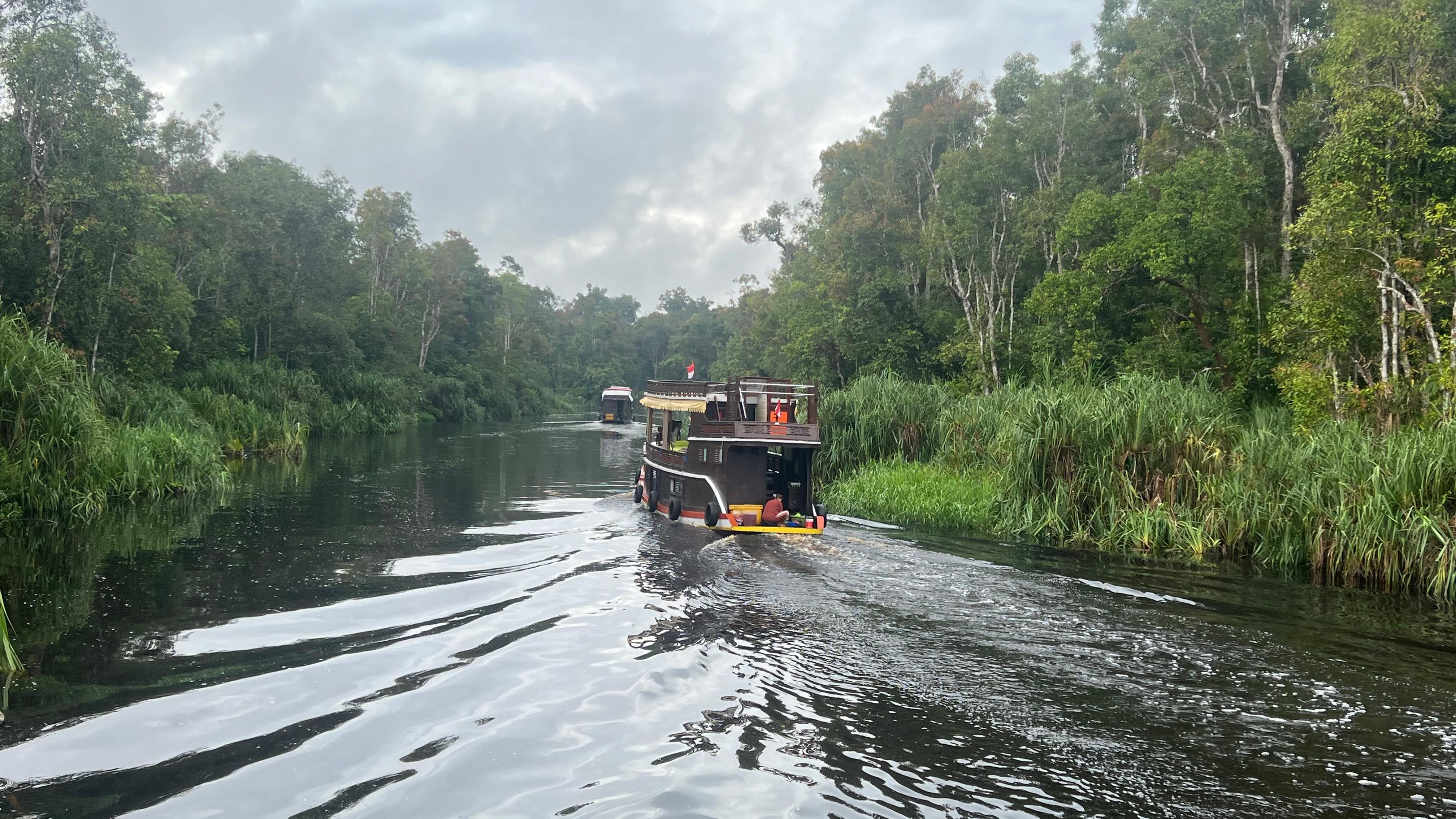
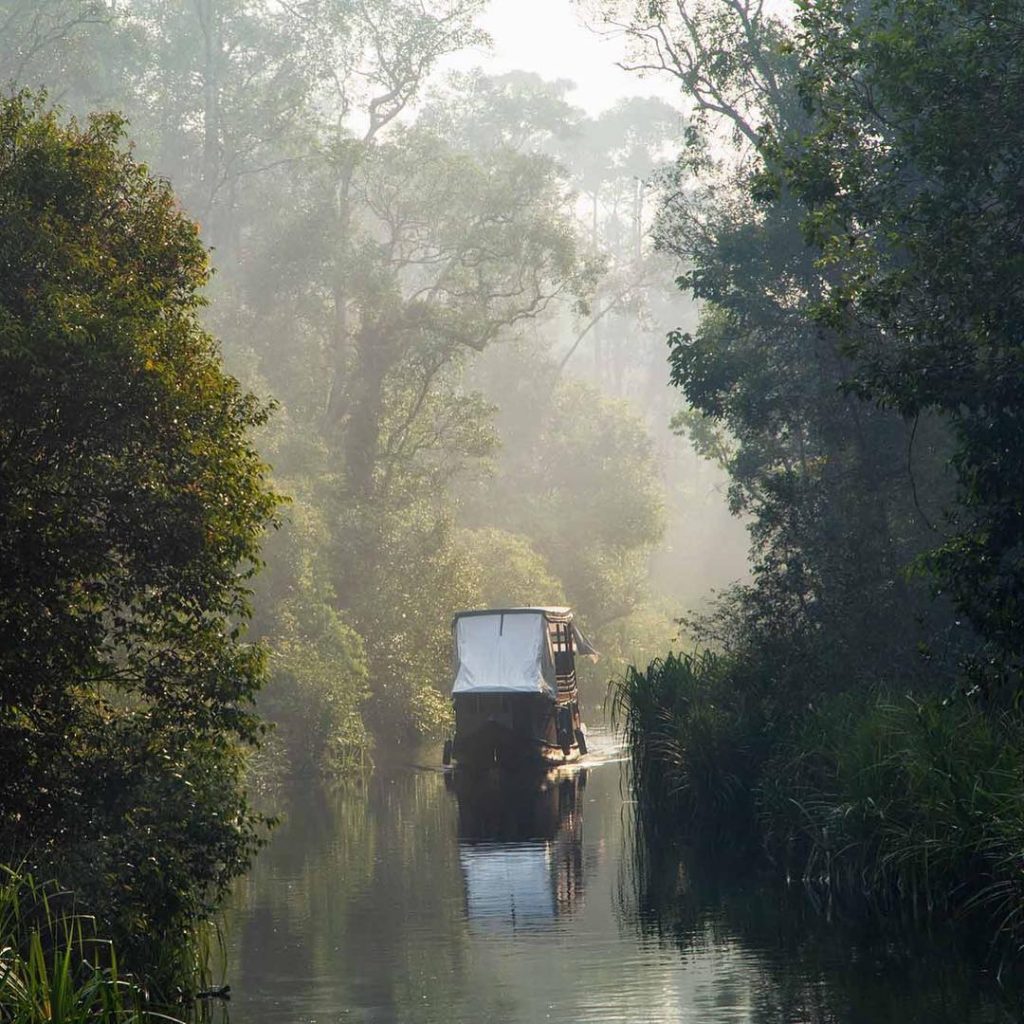
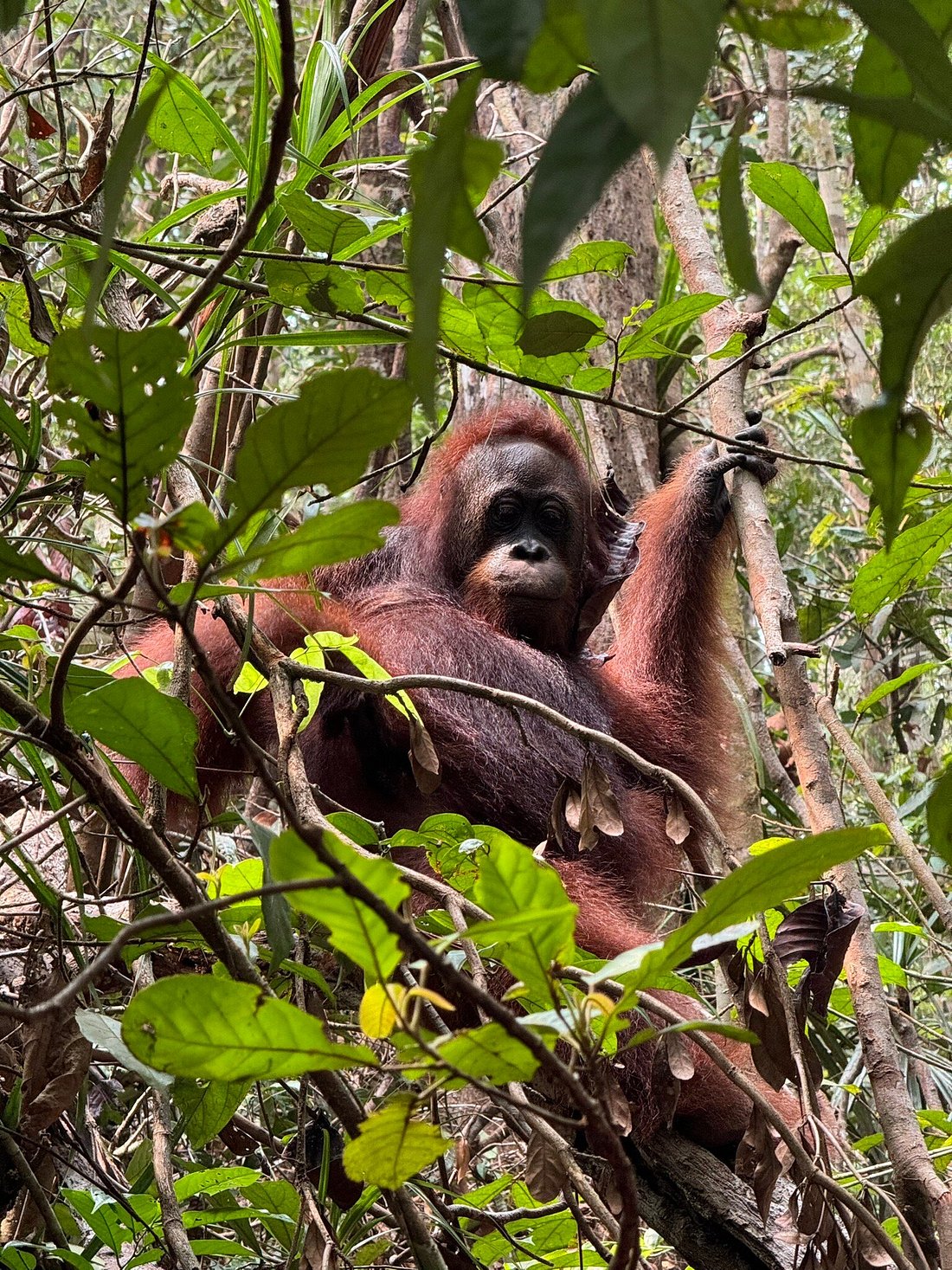
Blackwater river at dawn, red apes at feeding hour.
Compare fares, pick the fit — all bookings are mobile-voucher and eligible for free cancellation where shown.
72 hr
9 hr
72 hr
Selecting the right tanjung puting national park orangutan tour allows you to explore the lush Sekonyer River and observe great apes in their natural habitat. Visitors can choose between efficient day-trip options or immersive multi-day riverboat excursions to maximize wildlife sightings.
| Day Trip Speedboat Express |
Top pick Multi-Day Cruise Klotok Houseboat |
|
|---|---|---|
| Access Speed | Fast (30-60 min) | Slow (2-4 hours) |
| Feeding Stations Visited | Camp Leakey only | Tanjung Harapan, Pondok Tanggui, Camp Leakey |
| Overnight Accommodation | None (Kumai base) | On-board wooden boat |
| Best for | Time-constrained travelers | Immersive wildlife enthusiasts |
| Entrance Fee Included | — | |
| See tickets & prices |
Verdict: For the full experience, the multi-day klotok houseboats are the recommended choice for visitors seeking to see all three orangutan feeding stations at their own pace.
Worth it on a klotok, skippable by speedboat
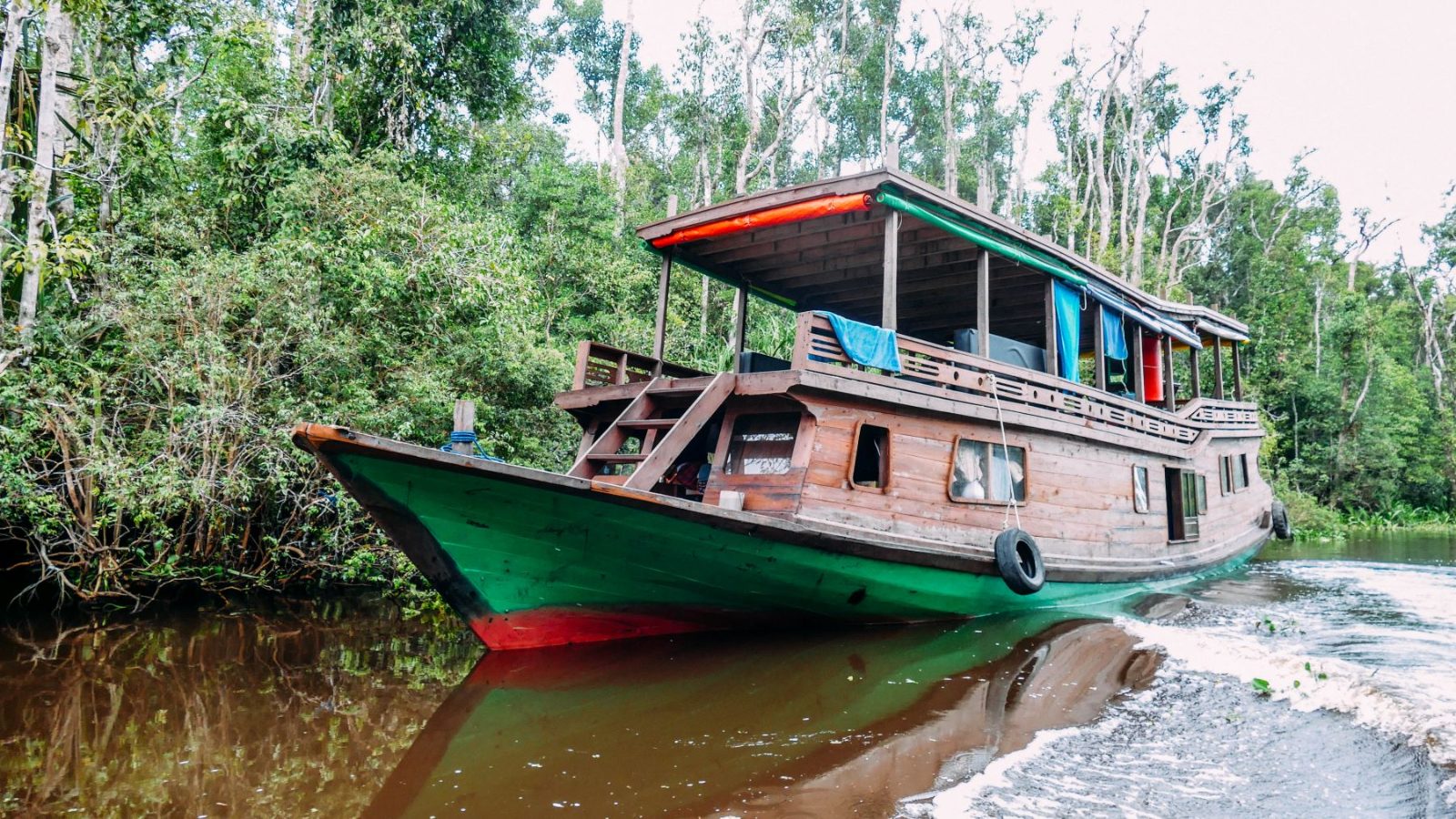
A tanjung puting national park orangutan tour is really two different purchases. The 3-Day Klotok River Adventure and the 3-Day Orangutan River Cruise options buy you sleeping on deck over the Sekonyer River, reaching Tanjung Harapan, Pondok Tanggui and Camp Leakey across separate feeding sessions, so a no-show at one station is not the whole trip lost. The Speedboat Adventure buys transport: faster water, fewer stations, and you leave before the proboscis monkeys settle into the riverbank trees at dusk. The Private Borneo Orangutan River Cruise sits between them, trading group size for time. Your conservation fee funds ranger patrols and rehabilitation work in genuinely remote Central Kalimantan, which is part of the value. This pays off for wildlife travellers, photographers and anyone who came to Kalimantan specifically for great apes. It disappoints people who want a quick sightseeing box ticked.
Bottom line: Book the multi-day klotok orangutan river cruise if the wildlife is the point; skip the speedboat unless your only free window is a single day.
They complement each other; most visitors who do both call the Tanjung Puting National Park orangutan tour the more relaxing river-based wildlife experience, while Bukit Lawang is considered the more thrilling physical adventure. Choosing between these top-tier destinations depends on whether you prefer a multi-day houseboat cruise or immersive jungle hiking.
|
Top pick Tanjung Puting |
Bukit Lawang | |
|---|---|---|
| Primary transport | Klotok river boat | Jungle trek on foot |
| Primary habitat | Riverine/swamp forest | Tropical mountain rainforest |
| Sightings method | Feeding stations/boat spotting | Guided jungle hiking |
| Typical trip duration | 2–5 days | 1–4 days |
| Difficulty level | Low (sedentary) | Moderate/High (physical hiking) |
| Who it suits | Families and photography | Active travelers and trekkers |
| Booking constraints | Must book boat in advance | Can book local guides onsite |
| Conservation focus | Rehabilitation center support | Eco-trekking and wildlife monitoring |
| See tickets & prices |
Verdict: If you want a comfortable river-based journey through Borneo with high-probability wildlife sightings, the Tanjung Puting National Park orangutan tour is the premier choice for your itinerary.
Hand-picked experiences loved by thousands of travelers
3 days
Free Cancellation
Navigate rainforest waterways aboard a traditional klotok boat to observe wild orangutans at feeding stations
3 days
Free Cancellation
Navigate Borneo's rainforest rivers by traditional boat, encountering wild orangutans and exotic wildlife
3 days
Free Cancellation
Float through Borneo's rainforest on a traditional klotok, tracking wild orangutans and proboscis monkeys
3 days
Free Cancellation
Journey deep into Tanjungputing's jungle aboard a traditional kelotok houseboat to witness wild orangutans
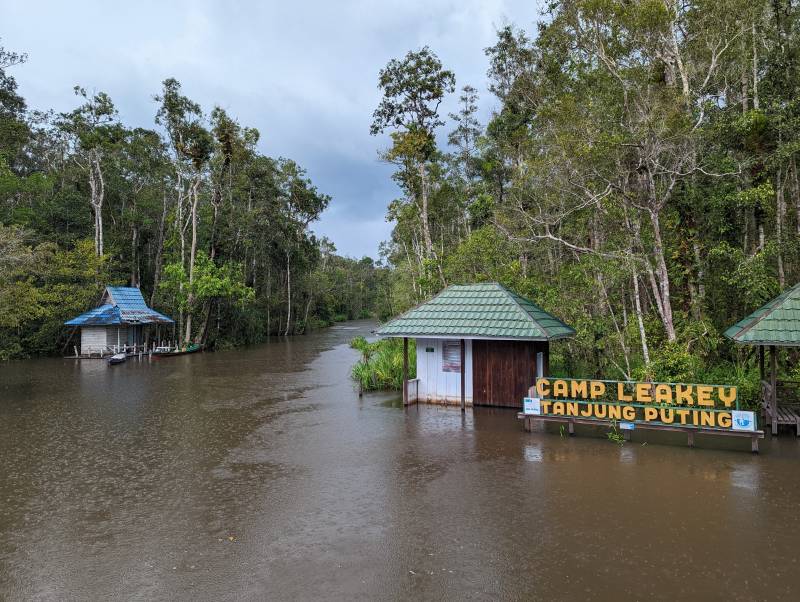
The most famous research station in the park, established in 1971, where visitors can learn about historic orangutan conservation efforts.
The first feeding station located near the park entrance, offering afternoon sessions that often feature proboscis monkey sightings.
A rehabilitation center established in 1992, known for morning feeding sessions that are typically less crowded than others.
The primary waterway for boat transport, lined with dense rainforest and teeming with wildlife like macaques, hornbills, and crocodiles.
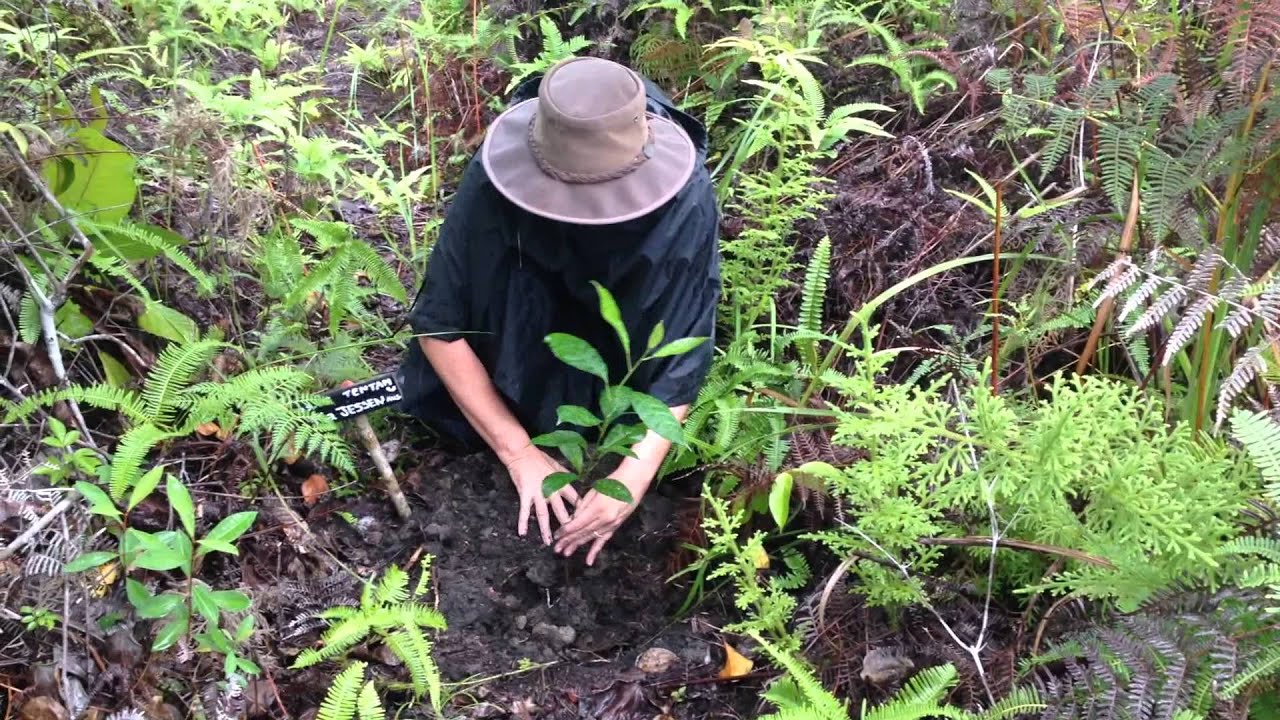
A designated area where visitors can participate in local reforestation efforts by planting trees to help regenerate the ecosystem.
You board at Kumai between 07:30 and 14:00, the arrival window that lines up with klotok departures and the afternoon feeding sessions upriver. Your bags go below; you go up.
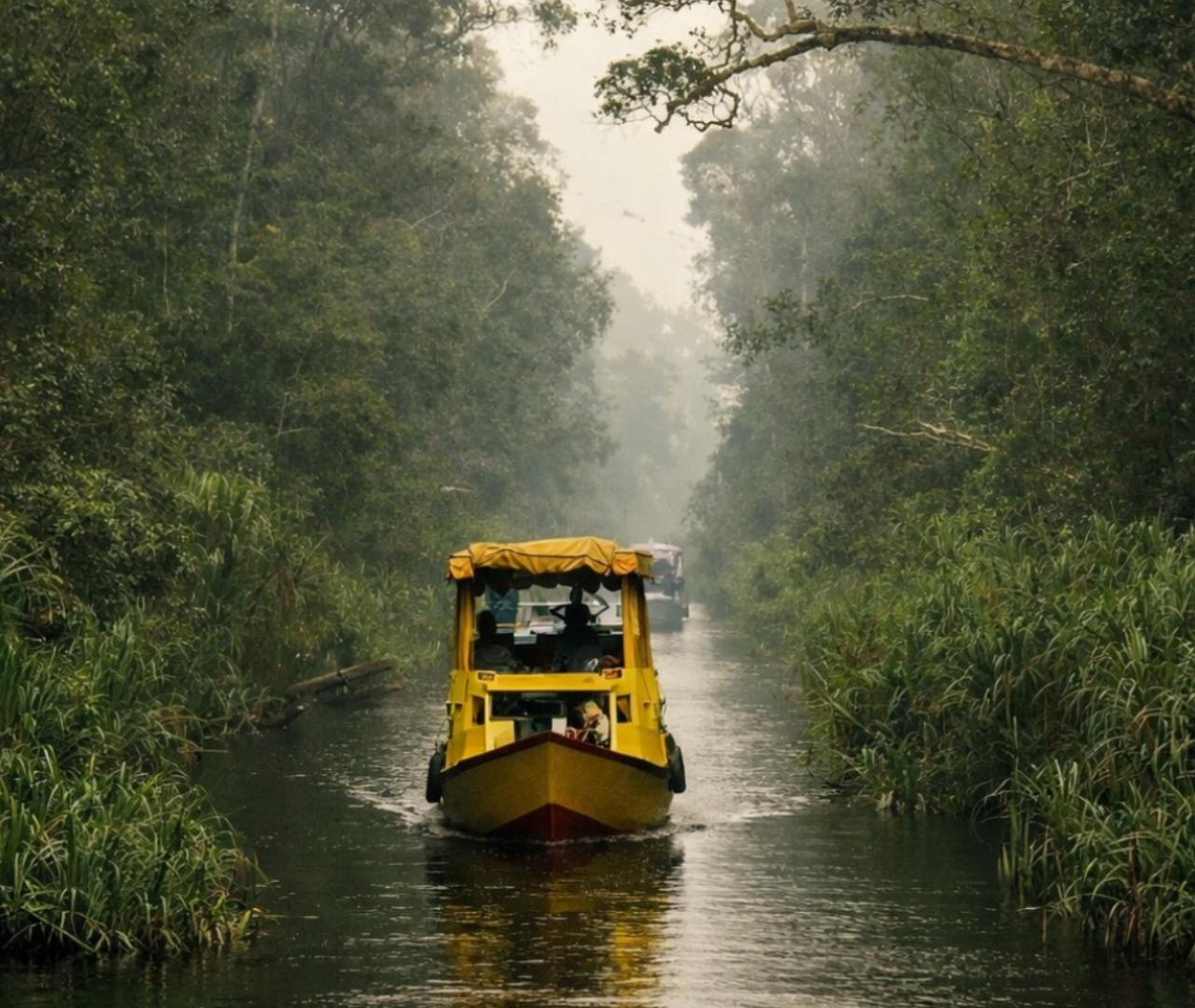
The roof deck is where you will spend the next three days, on a mattress under a mosquito net, watching the Kumai estuary narrow into the Sekonyer.
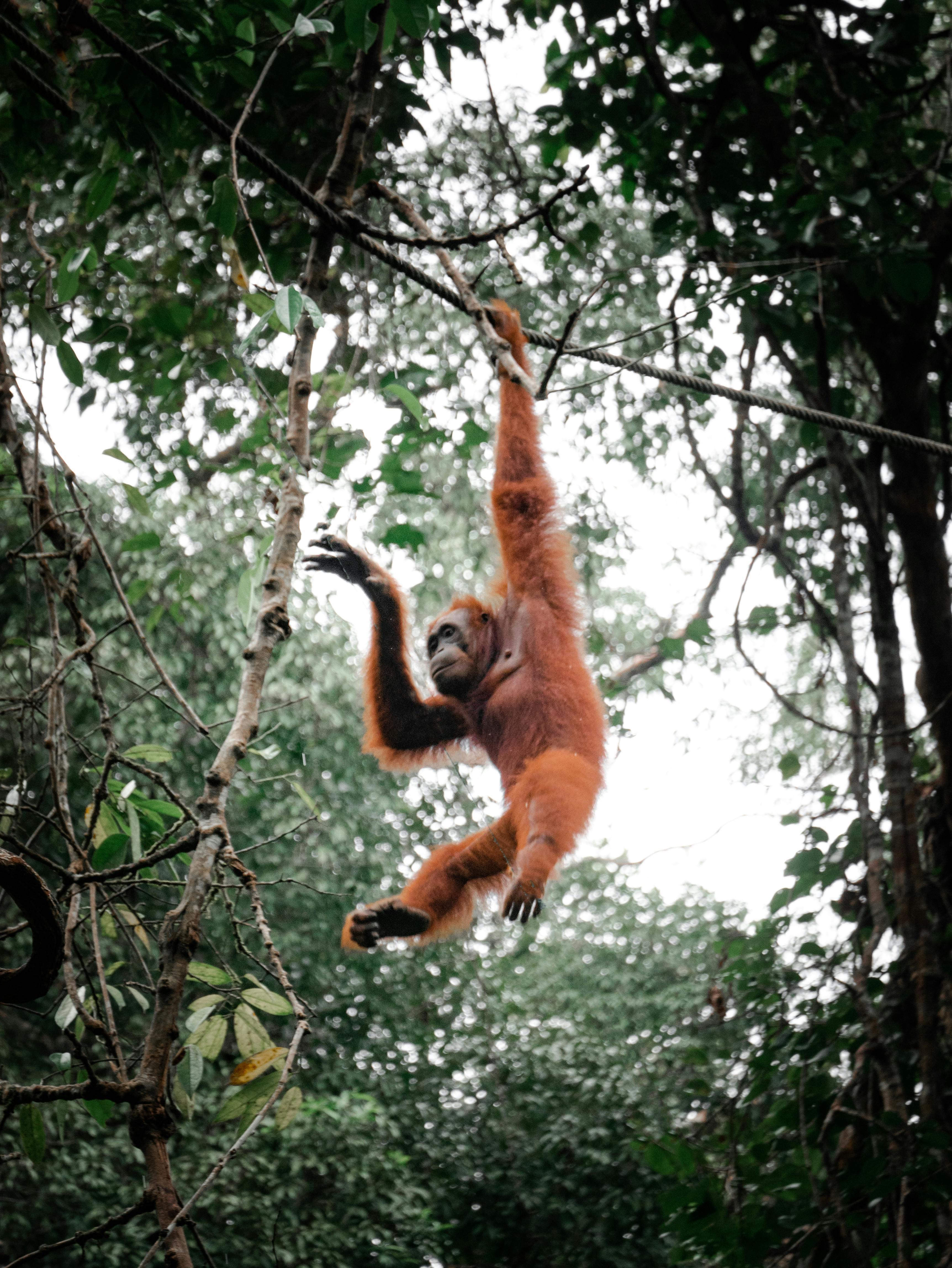
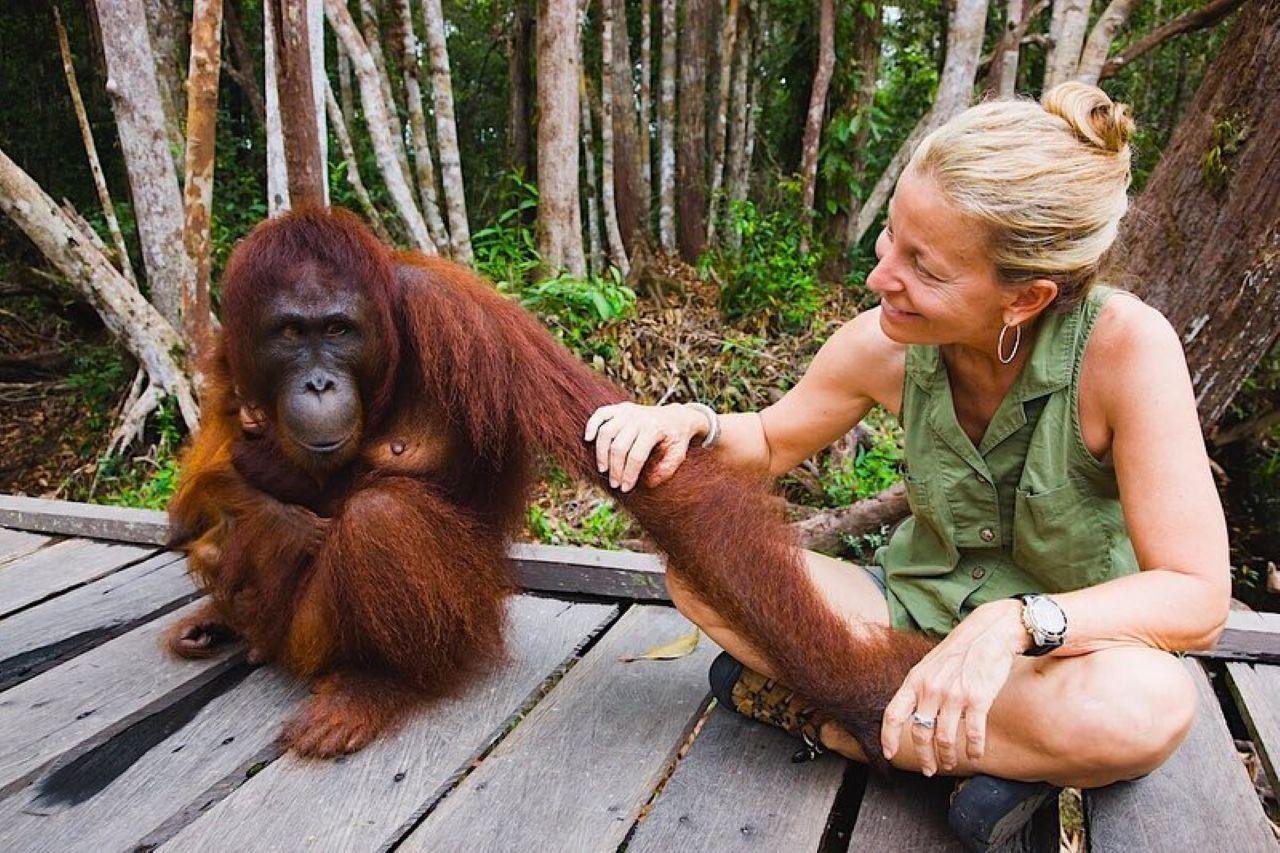
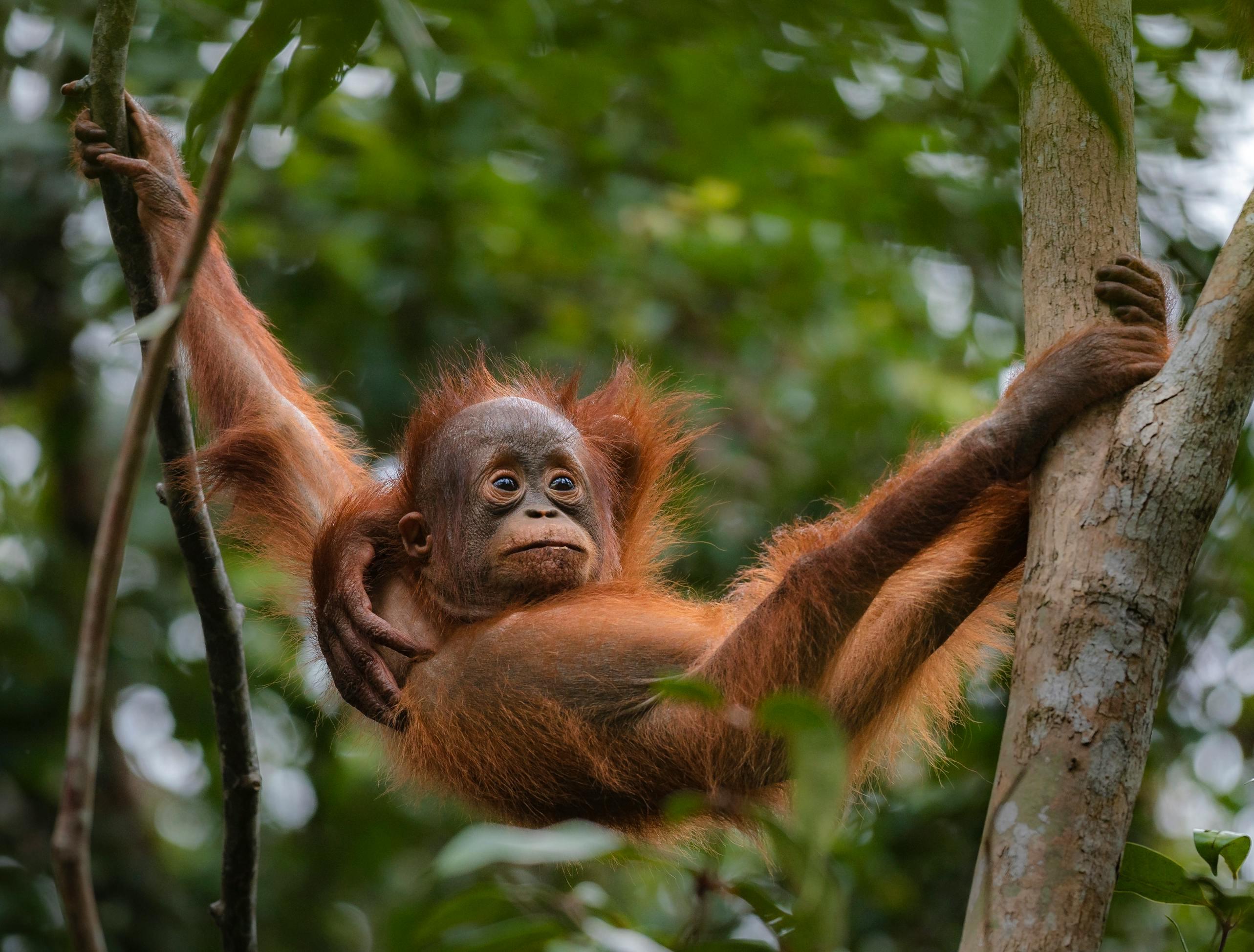
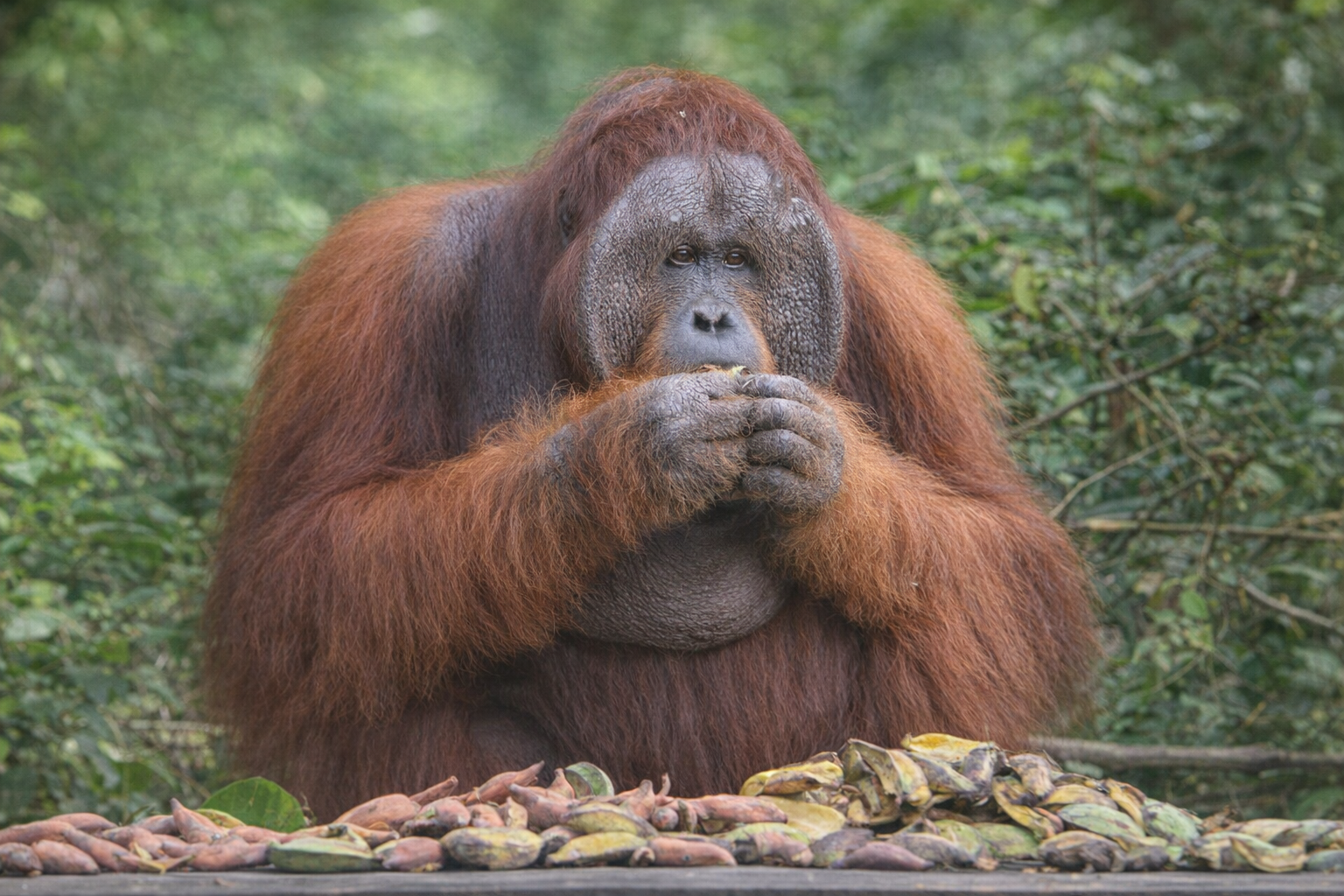
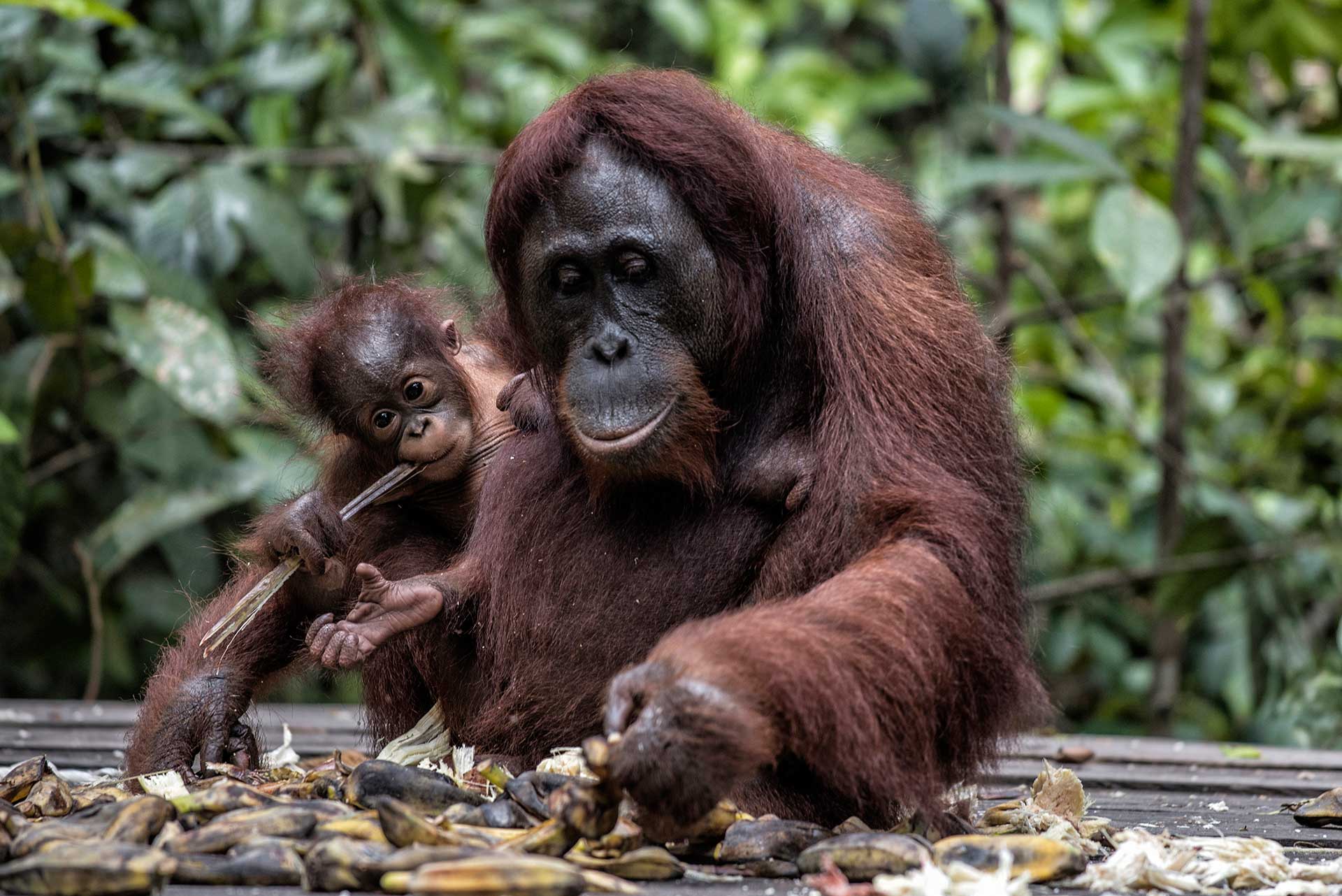
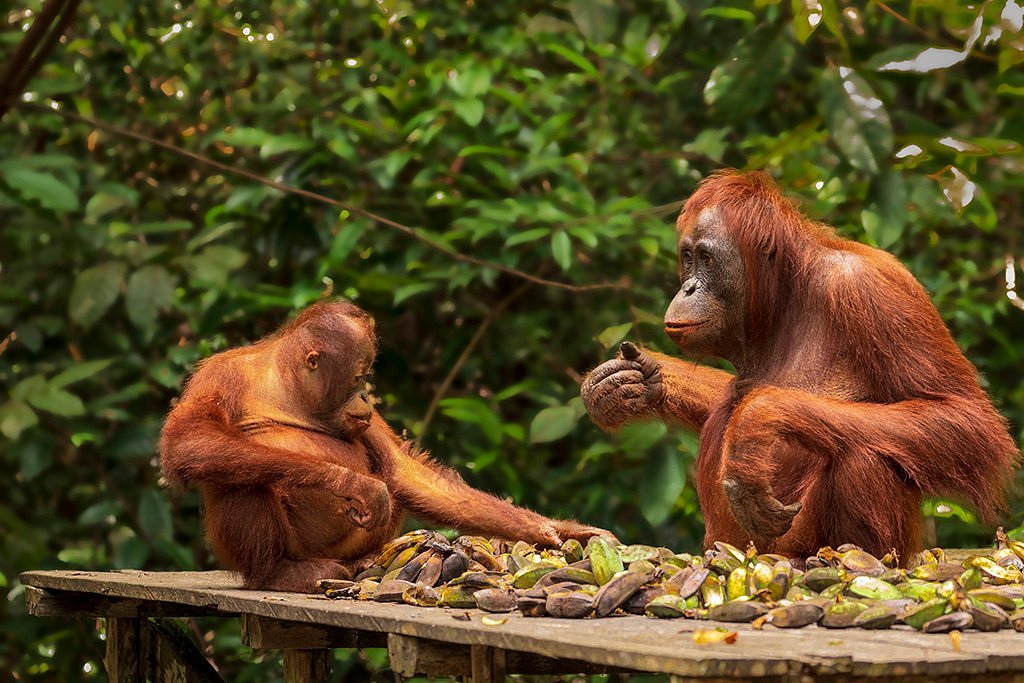
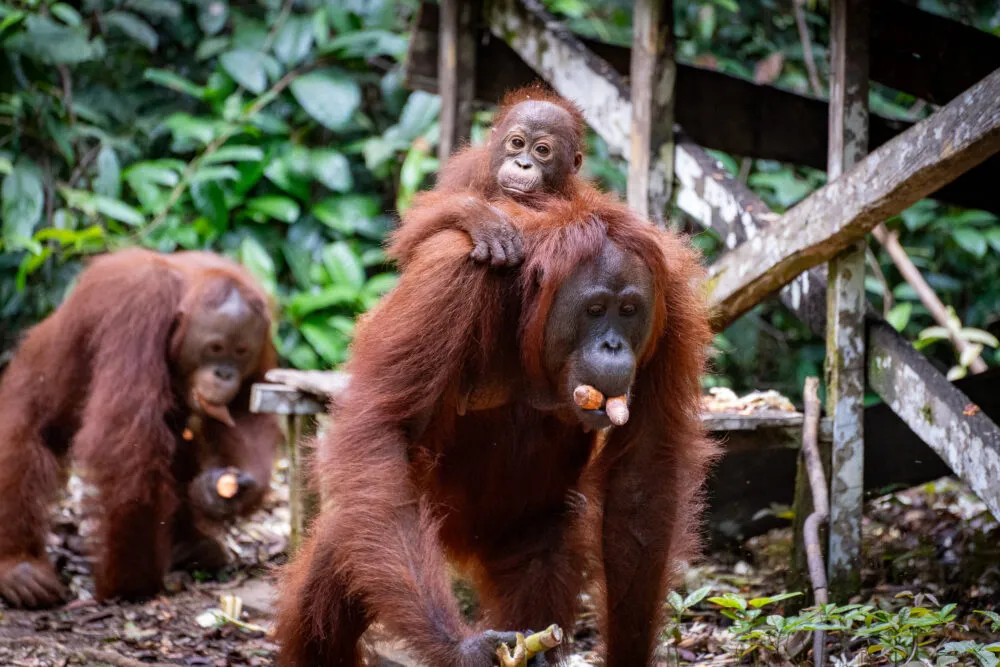
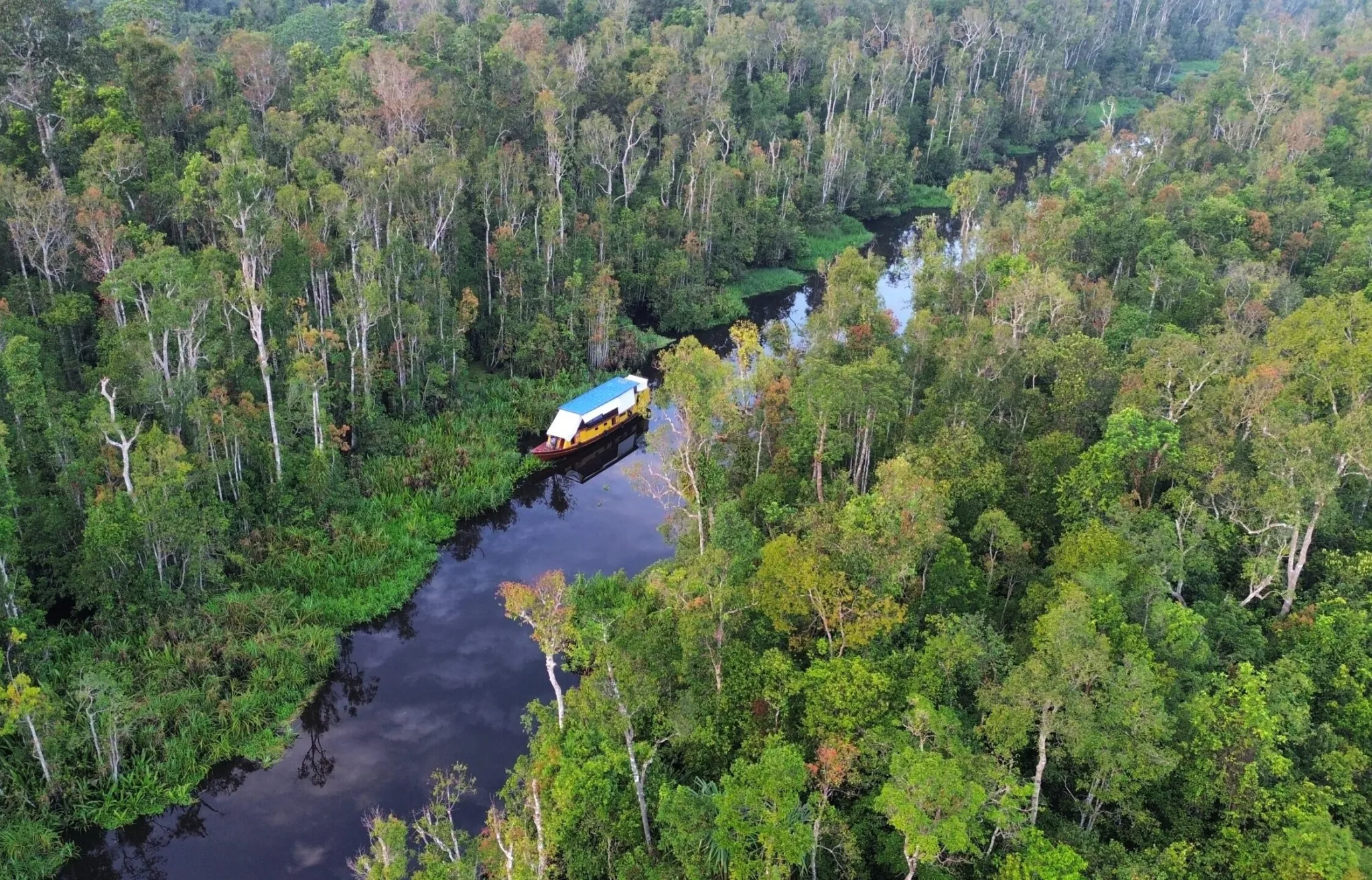
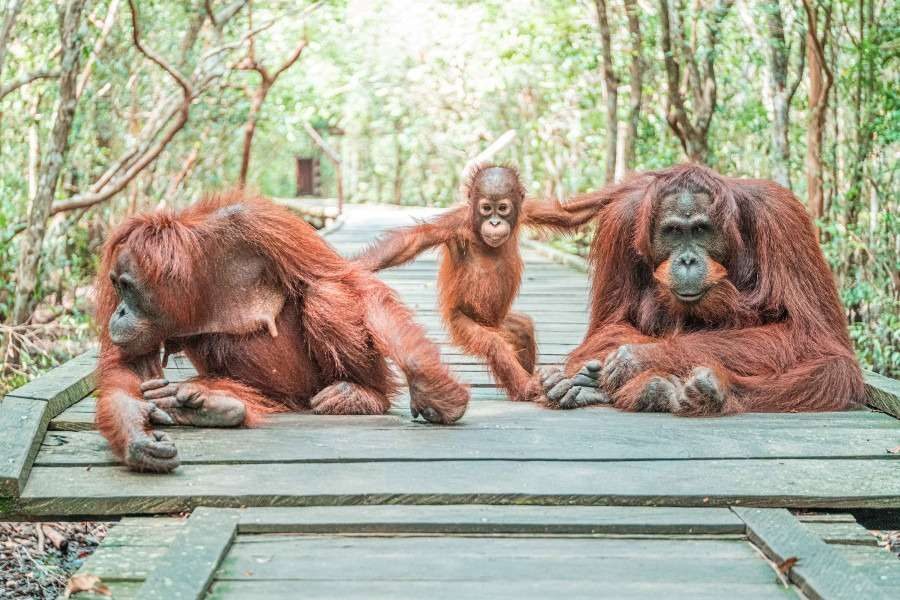
Within ninety minutes the mangroves close in. The engine drops to a knock. You scan the right bank for proboscis monkeys — look for the branch that dips without wind. At Tanjung Harapan you step onto a plank jetty, walk twenty minutes of boardwalk and packed clay, and stand at the rope line while a ranger calls into the canopy. Sometimes nothing comes. Sometimes a female descends with an infant clamped to her hip and crosses six metres in front of you.
Evening: the crew moors mid-river, hangs the nets, and serves dinner on the deck. You pay the 250,000 IDR conservation entrance fee through your operator. Fireflies work the mangrove line.
Day two takes you deeper — Pondok Tanggui in the morning, then the long push to Camp Leakey, where the research boardwalk runs past the original 1971 buildings. Speedboat travellers do this in a day and see less of it. On a klotok tanjung puting national park orangutan tour you get the river in between, which is most of what the park actually is.
All the details about your upcoming adventure in one place
Camp Leakey was founded in 1971 by Biruté Galdikas with a single hut and a promise to stay two years. She stayed fifty.
That decision made the Sekonyer River one of the most closely studied stretches of rainforest in Southeast Asia, and it turned a peat-swamp reserve into the reference point for every tanjung puting national park orangutan tour that follows the same water today.
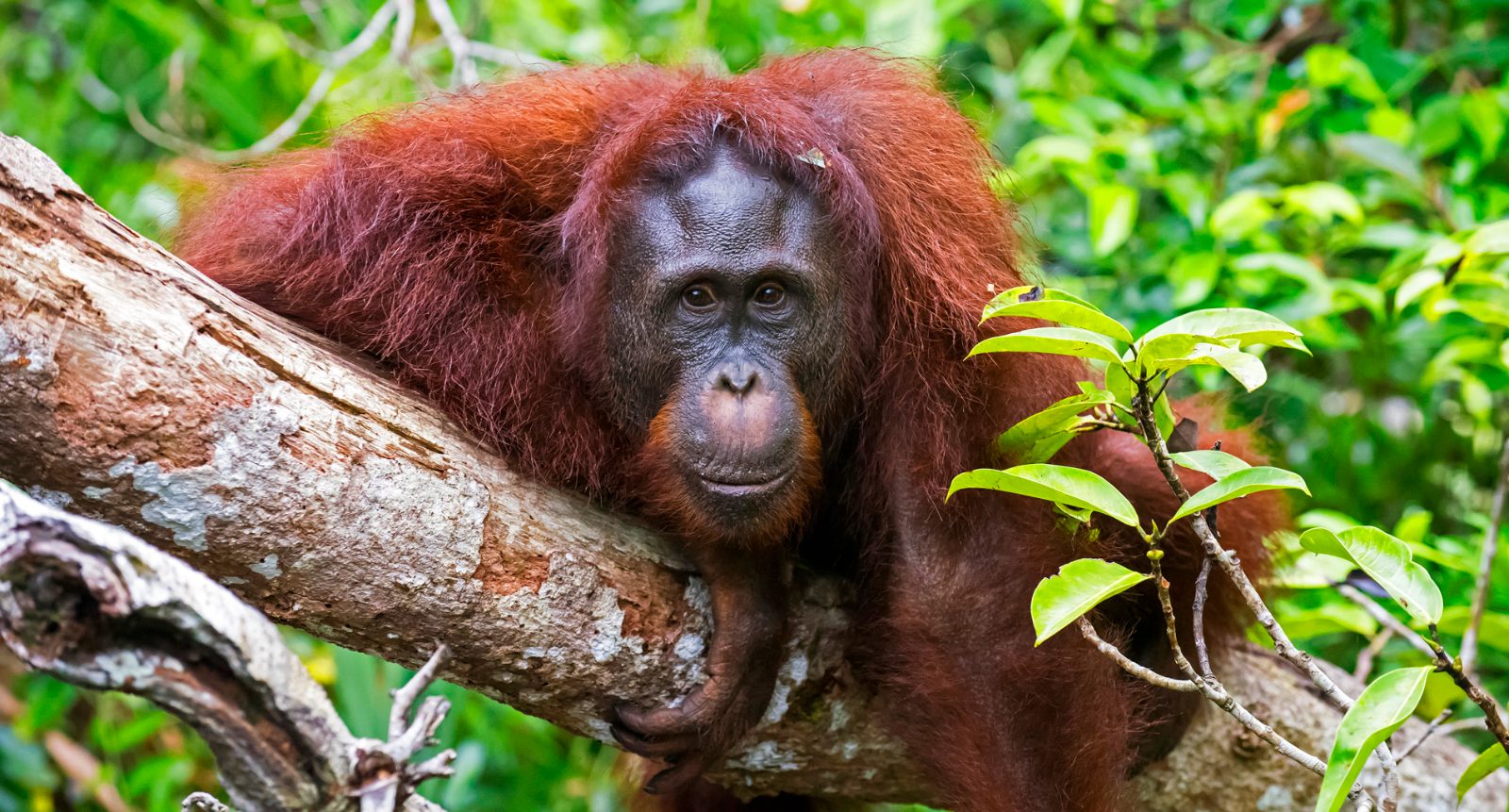
The park covers roughly 4,150 square kilometres of lowland dipterocarp forest, peat swamp, and heath forest between the Sekonyer and Kumai rivers. Dutch colonial authorities gazetted the area as a game reserve in 1935. Indonesia elevated it to national park status in 1982, and UNESCO named it a Biosphere Reserve in 1977. Its population of wild and rehabilitated Bornean orangutans is estimated at around 6,000 — the largest protected concentration of the species anywhere.
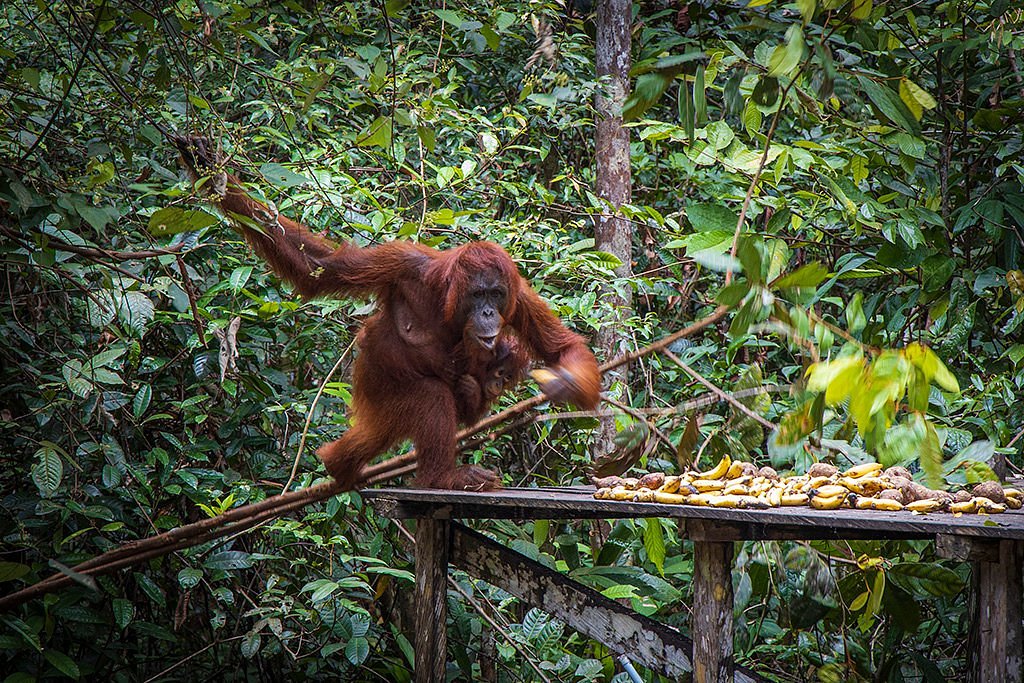
Three feeding stations structure the interior: Tanjung Harapan, Pondok Tanggui, and Camp Leakey. Each was built to support released orangutans during rehabilitation, and each now anchors a different half-day of the standard river itinerary. Wardens carry bananas and milk to raised wooden platforms at fixed hours. Attendance is voluntary. Fruiting seasons in the surrounding canopy empty the platforms; lean months fill them. The proboscis monkeys along the riverbank keep their own schedule, clustering in the nipa palms at dusk.
What distinguishes a wildlife-specific tanjung puting national park orangutan tour from simple boat transport is the naturalist on board. The klotok — a slow wooden houseboat named for the sound of its engine — is not merely a vehicle. It is a floating observation platform. Guides read the water for false gharial, scan the emergent trees for rhinoceros hornbills, and time arrivals so that the light falls behind the platform rather than into the lens. Night moorings on the Sekonyer bring proboscis troops overhead and fireflies in the mangrove line.
The conservation entrance fee of 250,000 IDR per person funds ranger patrols against illegal logging and palm-oil encroachment, the two pressures that have shaped the park's boundaries since the 1990s. Speedboat operators compress the same route into a single day; klotok operators stretch it across three. Both depart from Kumai. Neither reaches Camp Leakey without passing the tannin-black tributary where the water changes colour mid-channel — the visible line between protected peat swamp and the agricultural land beyond it.
She came for two years and stayed fifty, and the river has been measured by her calendar ever since.
Wear breathable, moisture-wicking long trousers and shirts to protect against insects and sun. Neutral, earth-tone clothing is recommended for better wildlife observation.
Use soft-sided bags or daypacks for river travel as storage space on a traditional klotok is limited. Keep electronics and documents in waterproof dry bags during all transfers.
Professional photography requires a special permit. Use of camera flash is strictly prohibited, especially near infants, to avoid distressing the primates.
Children are welcome on board, but parents must strictly enforce silence and safety distancing protocols. Ensure all children are supervised by a guide at all times during jungle walks.
The park terrain consists of uneven jungle trails and riverboat decks, making it unsuitable for standard wheelchairs. Consult your operator regarding physical requirements for jungle trekking.
All meals are typically prepared by an on-board chef during your tanjung puting national park orangutan tour. Never eat or drink in the presence of wildlife; keep food securely stored in your pack.
Opening Hours
Mon–Sun: 00:00–23:59
Address
Tanjung Puting National Park, Kumai, West Kotawaringin Regency, Central Kalimantan, Indonesia
Entry Requirements
Mandatory ranger-led supervision and park registration
Best Arrival
07:30–14:00 for optimal feeding station access
Storage
Limited to klotok cabin space; soft bags recommended
Navigation
River transport via traditional klotok mandatory
Cancellations are subject to individual operator terms, as the 250,000 IDR conservation entrance fee is generally non-refundable once processed by park authorities. Contact your specific klotok tour operator for booking adjustments.
Recommended time
3 days, 2 nights
A three-day itinerary is recommended to fully experience a tanjung puting national park orangutan tour while balancing travel time between river feeding stations. While generic boat transport moves steadily, wildlife-specific itineraries allow for more flexible observation at Camp Leakey and Pondok Tanggui. Visitors opting for tanjung puting national park orangutan tour tours should anticipate higher foot traffic during midday feeding sessions, whereas early mornings provide a more secluded experience. Securing your tanjung puting national park orangutan tour tickets in advance ensures priority access to preferred klotok houseboats for these journeys.
Crowd levels through the day
The reserve predates the tourism. Dutch colonial authorities gazetted the Sampit and Kumai game reserves in 1935, protecting proboscis monkeys and orangutans across the peat swamp between the Sekonyer and Kumai rivers. For decades the forest saw loggers, not visitors. That changed in 1971, when Biruté Galdikas and Rod Brindamour established Camp Leakey on a spur of the Sekonyer, funded through Louis Leakey and named for him. Galdikas began rehabilitating ex-captive orangutans, and the camp became the longest continuous study of wild orangutans anywhere. National park status followed in 1982, confirmed by ministerial decree in 1996 over roughly 415,000 hectares; UNESCO had already declared the area a Biosphere Reserve in 1977. The near-disaster arrived twice. Illegal gold mining poisoned the Sekonyer with mercury through the 1990s, staining the water the rust colour visitors still notice, and the 1997–98 El Niño fires destroyed large tracts of peat swamp forest. Rangers and the Orangutan Foundation fought both with limited means. Post-1998 reform brought fresh encroachment before enforcement tightened after 2003. What survives is a working conservation landscape rather than a museum. Three feeding stations — Tanjung Harapan, Pondok Tanggui and Camp Leakey — still operate on fixed afternoon schedules, and the klotok, the slow wooden houseboat once used for river cargo, became the standard vessel for any tanjung puting national park orangutan tour by the mid-1990s. The distinction that matters now is between wildlife-led itineraries and simple river transfers: the better Kalimantan orangutan cruises build around feeding times, proboscis monkey roosts at dusk and guided forest walks, not merely engine hours. Conservation entrance fees, currently 250,000 IDR per person, fund the ranger posts that made this possible. Operators selling a tanjung puting national park orangutan tour tour today inherit fifty years of Galdikas's fieldwork, and the tanjung puting national park orangutan tour tours and tanjung puting national park orangutan tour tickets sold in Kumai remain the park's steadiest source of protection funding.
Dutch colonial administration gazettes the Sampit and Kumai game reserves covering the future park area.
Biruté Galdikas and Rod Brindamour found Camp Leakey on the Sekonyer River to study and rehabilitate orangutans.
UNESCO designates Tanjung Puting a Biosphere Reserve.
The area is declared a national park, later formalised by ministerial decree in 1996 across roughly 415,000 hectares.
Illegal gold mining discharges mercury into the Sekonyer, discolouring the river and contaminating fish stocks.
El Niño-driven fires burn extensive peat swamp forest inside and around the park boundary.
Klotok houseboats and the Tanjung Harapan, Pondok Tanggui and Camp Leakey feeding stations become the backbone of organised visits.
Ranger posts and feeding stations operate on conservation entrance fees of 250,000 IDR per person.
Stand near the back of the elevated boardwalk to capture orangutans descending from the canopy towards the forest floor. A telephoto lens of at least 300mm is recommended to frame subjects clearly through the dense tropical foliage.
Position yourself along the wooden path before the group arrives to secure a clear line of sight through the trees. This location on a tanjung puting national park orangutan tour allows for eye-level shots of primates moving across the logs.
Locate a spot at the edge of the clearing where the forest meets the feeding station to track movement from the shadows. The light here is often dappled, requiring careful exposure settings to maintain detail in the fur.
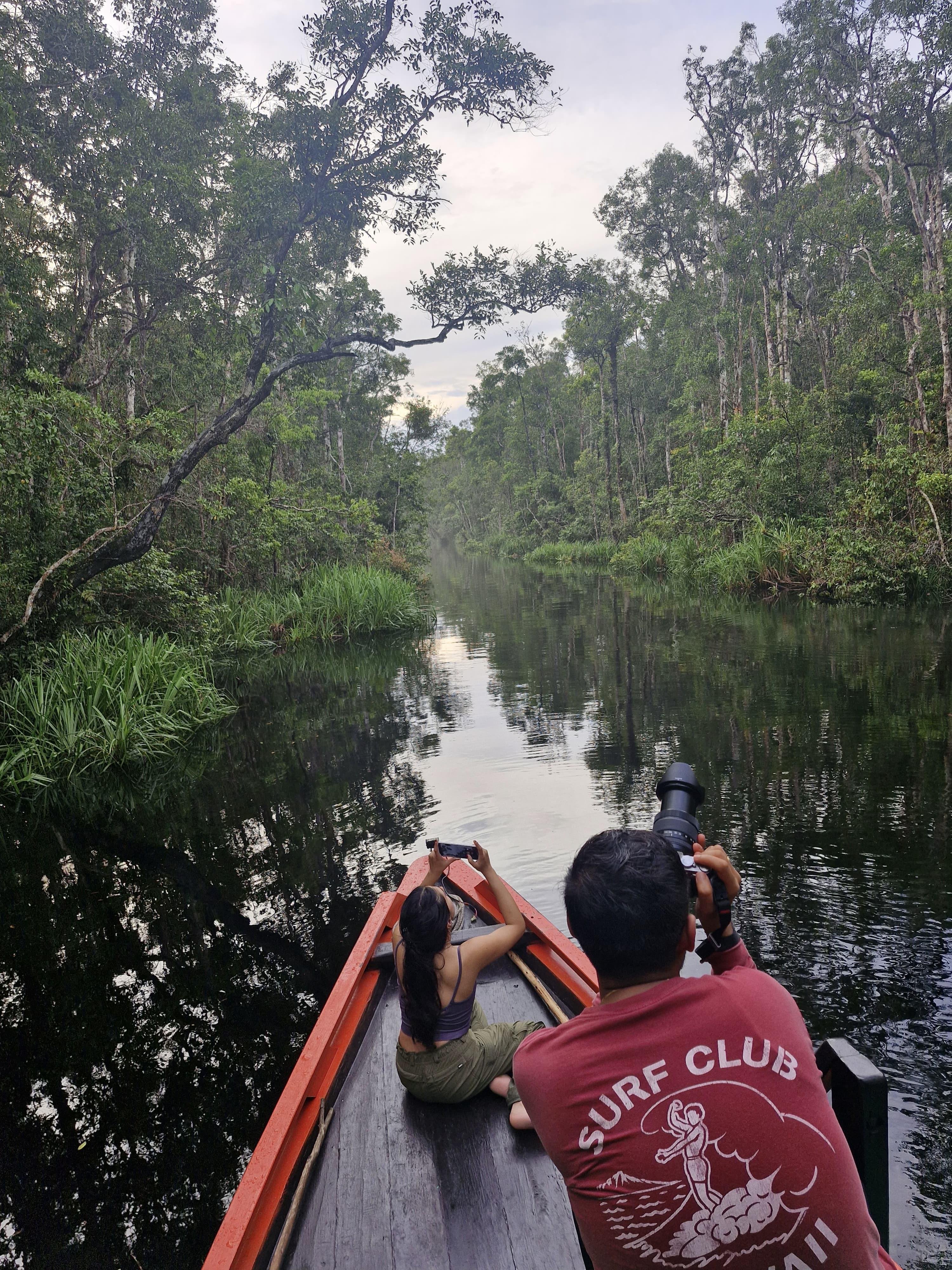
Use the bow of your traditional river boat for dynamic shots of the Sekonyer River as you navigate toward the park. This vantage point is ideal for capturing the riparian landscape and wildlife along the riverbanks during your tanjung puting national park orangutan tour tours.
Embarking on a tanjung puting national park orangutan tour is a grand adventure that transforms the jungle into an open-air classroom for children. While the experience is rewarding, parents should prepare for rustic houseboat living and prioritize safety during river transits.
Houseboats feature open decks, so parents must supervise children constantly near the river rails and ensure life vests are worn during all boat travel
The tropical climate requires lightweight, breathable clothing and high-quality mosquito repellent to protect children during forest treks and evening deck time
A typical tanjung puting national park orangutan tour tour involves extended periods on the water, so bring books, games, or drawing supplies to keep young travelers engaged between wildlife sightings
When moving between the boat and feeding stations, ensure children wear sturdy, closed-toe shoes to navigate muddy trails and uneven tree roots effectively
Most klotoks provide basic bedding with mosquito nets, but families may want to bring a small portable fan or familiar comfort items to help children adjust to the jungle environment
Wildlife viewing is not guaranteed, so focus on the excitement of the boat journey and spotting monkeys along the riverbanks as part of your tanjung puting national park orangutan tour tours experience.
Dining options near the tanjung puting national park orangutan tour are primarily centered on live-aboard klotok boats, which provide freshly prepared meals during your river expedition. For those seeking land-based dining, Kumai serves as the primary hub for local eateries before you secure your tanjung puting national park orangutan tour tickets.
Fresh Indonesian dishes are prepared by the boat crew, catering to guests engaged in multi-day tanjung puting national park orangutan tour tours. Please inform your guide of dietary requirements before departure.
Located near the port, this spot offers authentic local fare for visitors preparing for a tanjung puting national park orangutan tour tour. It is perfect for a quick breakfast or coffee before heading to the jetty.
Situated in the town of Kumai, this establishment specializes in fresh river and sea fish. It serves as an ideal final stop for travelers reflecting on their Kalimantan wildlife experience.
Everything you need to know for your journey
The optimal arrival window is 07:30–14:00 to ensure sufficient time for boat departures from Kumai.
The conservation entrance fee is 250,000 IDR per person.
Feeding sessions are supplemental; orangutan sightings are never guaranteed as the animals remain free-ranging.
Pack long, light clothing, insect repellent, rain gear, and a high-quality camera with zoom lens.
While some operators may accommodate last-minute bookings, it is recommended to arrange your tour in advance due to permit requirements.
Yes, families are welcome, but constant adult supervision and adherence to safety protocols are mandatory.
Flash photography is strictly prohibited, and visitors must maintain a safe distance of at least 5 meters.
No, mandatory ranger-led supervision is required for all visitors entering the park for safety and conservation reasons.
The park is located at Tanjung Puting National Park, Kumai, West Kotawaringin Regency, Central Kalimantan, Indonesia.
Join thousands of happy travelers who have discovered this incredible experience
Book Your Experience Now